Combining Singapore Sightseeing With a Sensible Gym Week
Singapore is easy to underestimate as an active destination. Walking through neighbourhoods, changing MRT lines, exploring attractions and moving between meals can create more physical demand than travellers expect. A gym week can fit well into that rhythm, but only when it complements the itinerary rather than turning the trip into a rigid training camp.
A fitness gym Singapore visit can give travellers access to strength training, controlled cardio and a useful changing space between plans. The practical goal is to preserve a fitness routine while respecting heat, humidity, food, sleep and the amount of walking already built into the day.
Start by Counting Existing Activity
A sightseeing day can involve long periods of standing, repeated stair climbing, carrying a bag and outdoor walking. This is activity, even if it does not look like a planned workout.
Travellers often make one of two mistakes. They either skip all exercise because they have walked a lot, or they try to complete their usual hard programme on top of a physically demanding day. The sensible option is to count the existing load and decide what the gym should add.
If a day involves a long route outdoors, the gym may be better used for upper-body strength, mobility or easy cycling. If the day is mostly meetings, transport and sitting, a full-body session may fit well.
Treat Arrival Day Differently
Long-haul flights can affect hydration, sleep, coordination and appetite. Arrival day is rarely the right time for maximal intervals or unfamiliar heavy lifts.
A short walk, easy cardio, mobility work or a light full-body session can be enough to restore routine. The member should pay attention to how they feel rather than forcing intensity because of a planned schedule.
Jet lag does not disappear after one difficult workout. A training week should adapt as sleep normalises.
Use the Gym for What Travel Does Not Provide
Tourism offers plenty of low-intensity movement. It does not always provide structured pulling, pressing or lower-body resistance work. A concise gym session can cover those gaps.
A simple travel strength session may include:
- a lower-body exercise;
- one push;
- one pull;
- one trunk or carry movement;
- optional low-intensity cardio.
Keep the volume moderate. Travellers usually do not need to create severe soreness that affects the next day’s plans. The aim is to maintain movement quality and strength exposure.
Choose Location by Detour, Not Marketing
A gym may be described as central but still require an inconvenient route from the hotel or day’s plans. Map the practical journey, including changing time, showers, lockers and the walk to the next destination.
A club near an MRT station may be more useful than one that looks closer on a map. A gym near the hotel may suit early sessions, while a branch near an office district may work better for business travellers.
Singapore has extensive walking routes and park connectors, but heavy rain and humidity can change plans quickly. A gym located along an indoor or transport-linked route gives travellers a reliable alternative when outdoor training is unrealistic.
Eat for the Session You Are Actually Doing
Travel eating does not need to be perfect. It needs to support the day. A long outdoor itinerary followed by a hard gym session may require more fluid and carbohydrate than a light hotel-area walk.
Avoid testing unfamiliar supplements, restrictive diets or very large meals before training. Hawker food, restaurant meals and hotel breakfasts can all fit within a practical plan when timing and portion size are considered.
After a sweaty day outdoors, change into dry clothing before a gym session. Replace fluid according to thirst, conditions and individual needs. If there are signs of heat illness, such as confusion, fainting or severe weakness, stop normal activity and seek appropriate help.
Keep the Plan Flexible
A fixed seven-day travel programme often fails because flights, meetings, rain or social plans change. Instead, set priorities.
For example:
- Complete two full-body strength sessions during the trip.
- Use walking and sightseeing as additional low-intensity movement.
- Add a class or cardio session only when recovery is good.
- Use mobility or easy movement on travel-heavy days.
This approach gives the traveller a clear framework without making every day feel like a missed workout if plans change.
Classes Can Be Useful, but Choose Carefully
A scheduled class can remove decision fatigue. It may also introduce a fun local routine during a short stay. However, the class should suit the day’s demands.
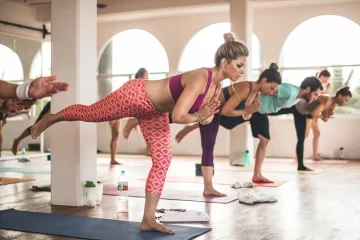
A hard cycling, HIIT or dance class may be a poor choice before a long walking day. A yoga session may be useful for some travellers, but an unfamiliar intensity or end-range position can still create soreness. Read the class description, arrive early and choose a manageable effort.
Do Not Chase Home Performance Numbers
Equipment varies between facilities. A cable stack, indoor bike or machine weight may not feel identical to the one used at home. Travel sleep, meals and climate also affect performance.
Use the first few sets to calibrate. Select a load based on technique and effort rather than trying to reproduce an exact number from a normal programme. A maintenance week does not require personal records.
At True Fitness Singapore, travellers can compare gym access, classes and facilities against the routes they will actually use. The club should function as useful travel infrastructure, not a separate destination that creates unnecessary detours.
Frequently Asked Questions
How many gym sessions should I do during a Singapore holiday?
It depends on the trip, existing walking load and training goals. Two or three concise sessions may suit many travellers, while others may prefer fewer. Build the plan around recovery and itinerary demands.
Should I train after a long-haul flight?
Light movement may be useful, but hard training may not be appropriate when sleep, hydration or coordination are poor. Start with a lower-intensity option and reassess the next day.
Can sightseeing replace cardio?
Sightseeing can provide substantial walking and low-intensity movement. Whether it replaces planned cardio depends on duration, pace and your training goal. It usually does not replace structured strength work.
What should I pack for gym sessions while travelling?
Pack suitable training shoes, lightweight clothing, a small bag for used kit and any essential items you rely on. Check whether the gym provides towels, lockers and shower access.
Is a hotel gym enough for travel training?
It can be enough for basic maintenance. A full-service gym may be more useful when you need specific resistance equipment, classes, larger cardio options or better changing facilities.