How to Manage Water and Waste in Your RV Rental
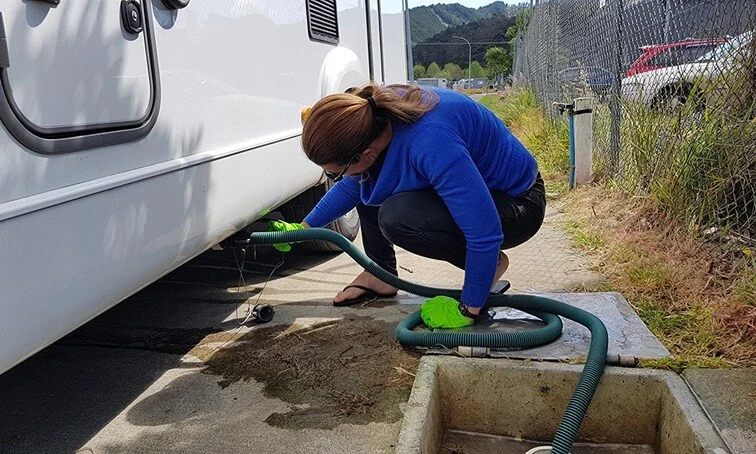
When renting an RV for a trip, one of the essential aspects to consider is the management of water and waste. Unlike staying in a traditional hotel or home, an RV requires careful attention to its water supply and waste disposal systems. Understanding how to manage these resources can help ensure a smooth and comfortable experience during your travels. In this guide, we’ll walk you through the key points of managing water and waste in your RV rental, providing you with tips and advice to handle these essential systems with ease.
1. Understand the RV’s Water System
Before hitting the road, it’s crucial to familiarize yourself with the RV’s water system, which consists of three main components: the fresh water tank, the grey water tank, and the black water tank. Understanding the purpose and operation of these tanks will help you manage water use and waste disposal effectively.
- Fresh Water Tank: This is the tank that stores the clean water you’ll use for drinking, cooking, and washing. The size of the fresh water tank can vary depending on the RV, and it’s important to monitor its levels throughout your trip. Many RVs come equipped with a water pump that will allow you to use the water from this tank, even when you’re not hooked up to an external water source.
- Grey Water Tank: The grey water tank holds water from sinks and showers. It’s called “grey” because it contains soap, dirt, and food remnants, but it’s not as contaminated as black water. Managing grey water is just as important as fresh water, and it’s essential to avoid filling it up too quickly.
- Black Water Tank: This is the tank that stores waste from the RV’s toilet. Managing this tank is crucial, as letting it get too full can lead to unpleasant odors and other issues. Regularly emptying the black water tank is a must to ensure that your RV remains comfortable and functional.
2. Monitor Water Usage
One of the most important tasks when managing water in your RV is monitoring how much water you use. Since most RVs are equipped with limited fresh water storage, it’s easy to run out if you’re not careful. Here are a few tips to help you conserve water during your trip:
- Take Shorter Showers: RVs typically have smaller water heaters, so taking long showers can quickly deplete your fresh water supply. Try to limit shower time and avoid wasting hot water.
- Use Water Efficiently in the Kitchen: When doing dishes or cooking, be mindful of water usage. Fill a basin with water to wash dishes instead of running the faucet, and rinse dishes quickly to save water.
- Turn Off the Tap: Avoid leaving the faucet running when brushing your teeth, washing your hands, or doing other activities that don’t require continuous water flow.
By being mindful of your water consumption, you’ll be able to extend the amount of time between refills, especially if you’re not hooked up to an external water source.
3. Fill Up Fresh Water When Needed
There are several ways to refill your fresh water tank while traveling in an RV:
- Campground Water Stations: Many campgrounds offer fresh water hookups, where you can fill up your water tank for free or for a nominal fee. It’s important to ensure that you only use fresh water stations designed for RVs, as some water sources may not be potable.
- Filling Stations: In some areas, there are specific RV filling stations where you can refill your water tank. These are often found at truck stops, gas stations, or RV parks.
- Water Hauling: If you’re camping off the beaten path, you may need to haul water in jugs to refill your tank. Keep in mind that this can be time-consuming, and you’ll want to ensure you have enough water to last between refills.
Whenever possible, plan your route around campgrounds or filling stations to make water management easier.
4. Properly Manage Grey Water
Unlike black water, grey water doesn’t carry harmful waste, but it can still cause issues if not handled properly. To avoid any problems with your grey water tank, here are some important considerations:
- Monitor the Tank Levels: Grey water tanks can fill up quickly, especially if you’re showering and washing dishes frequently. Most RVs come equipped with a monitoring system that tells you the tank’s levels, so pay attention to it and plan to empty the tank before it becomes full.
- Dispose of Grey Water Responsibly: Never dump grey water directly onto the ground unless it’s in a designated area, such as a campground with a proper dumping facility. Improper disposal of grey water can lead to environmental damage and fines.
- Limit Disposals of Food Waste: Be cautious about what goes down the drain in your RV, especially in the kitchen sink. Food scraps can clog the plumbing, and oils and fats can solidify in the grey water tank, causing blockages.
By being mindful of the grey water tank’s capacity and disposing of it properly, you can avoid unpleasant situations while traveling.
5. Regularly Empty the Black Water Tank
Managing the black water tank is arguably the most important part of RV waste management. If not emptied regularly, it can result in unpleasant odors and plumbing problems. Here are some tips for handling the black water tank:
- Use the Toilet Wisely: Try to limit the use of the toilet to essential trips, and always use RV-specific toilet paper, which is designed to break down easily in the tank. Regular toilet paper can cause clogs and delays when you empty the tank.
- Empty the Tank Frequently: It’s important to empty the black water tank as often as needed. Don’t wait until it’s completely full, as this can cause the waste to back up into the RV’s plumbing. Most RV parks and campgrounds offer dump stations, where you can safely empty the black water tank.
- Add RV Chemicals: To prevent odors and help break down waste, it’s advisable to use RV-specific chemicals in the black water tank. These chemicals help maintain the tank’s hygiene and prevent the buildup of harmful bacteria.
Properly managing the black water tank ensures your RV remains a pleasant and sanitary place throughout your travels.
6. Know Where to Dump Waste
When your tanks are full, you’ll need to find a safe place to dispose of the water and waste. As mentioned earlier, many RV parks and campgrounds offer dumping stations. If you’re traveling in more remote areas, here are a few alternatives:
- Public Dump Stations: Some public rest areas or truck stops are equipped with dump stations, where you can safely dispose of your black and grey water.
- Portable Waste Disposal Units: In areas without access to dump stations, some RVers opt for portable waste disposal units that allow them to transfer waste to a nearby disposal site.
Before heading out, make sure you know where the nearest dump stations are along your route to avoid unnecessary stress.
7. Prepare for Emergencies
While rare, emergencies can happen when managing water and waste in your RV. For example, a clogged toilet or a full tank that can’t be emptied immediately can create a mess. Here are a few tips to prepare for such situations:
- Bring Backup Supplies: Carry extra RV toilet paper, a portable waste bag, or even a plunger just in case of clogs or blockages.
- Know How to Troubleshoot: Familiarize yourself with the RV’s plumbing system, and don’t hesitate to contact the rental company for guidance if needed.
Managing water and waste during an RV trip is essential for maintaining comfort and hygiene. By understanding the RV’s water systems, conserving water, and disposing of waste responsibly, you can ensure a pleasant and hassle-free experience. With a little preparation and mindfulness, your RV adventure will be a memorable and enjoyable one.